Bachelor of Physiotherapy is an undergraduate degree programme in allied health sciences. The course of study for B.P.T extends over a period of four academic years (Non-semester) and six months of internship training programme Eligibility

A. Candidates belonging to all categories for admission to the B.P.T Degree course should have passed the higher secondary examination-12th with the following subjects: Physics, Chemistry and Biology/Botany and Zoology.
B. Candidates who have studied abroad and have passed the equivalent Qualification as determined by the Association of Indian Universities Will form the guideline to determine the eligibility and must have passed in the subjects: physics, chemistry, biology (Botany/Zoology) and English up to 12th standard level.

C. Candidates who have passed the senior secondary school examination of National open school with a minimum of 5 subjects with any of the following group subjects.
English, Physics, Chemistry, Botany, Zoology.
English, Physics, Chemistry, Biology and any other language
The candidates who have passed any qualifying examination other than the Higher Secondary Course Examination conducted by the Government of Tamil Nadu shall submit the eligibility certificate from the Tamil Nadu Dr MGR Medical University and such admissions are provisional till the University approves.
Physiotherapists plan and administer physiotherapy/ rehabilitation treatments independently and also being a part of the multidisciplinary team.
Physiotherapist are concerned with the following purposes:
Promoting the health and well-being of individuals and the general public/society, emphasising the importance of physical activity and exercises.
Preventing impairments, activity limitations, participatory restrictions and disabilities in individuals at risk of altered movement behaviours due to health or medically related factors, socio-economic stressors, environmental factors and lifestyle factors.
Assessing/ evaluating, prescribing necessary investigations to establish the diagnosis for physical dysfunction, prescribing physiotherapeutic interventions/treatment plan to the patients/individuals seeking their opinion/guidance regarding their health issues
Providing interventions / treatment to restore integrity of body systems essential to movement, maximize function and recuperation minimize incapacity, and enhance the quality of life, independent living and workability in individuals and groups of individuals with altered movement behaviours resulting from impairments, activity limitations, participatory restrictions and disabilities due to diseases, disorders and trauma.
Modifying environmental, home and work access and barriers to ensure full participation in one’s normal and expected societal

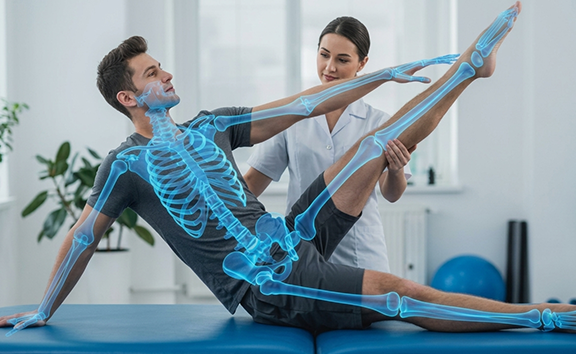
Physiotherapy is delivered in a variety of settings which allow it to achieve its purpose. Prevention, health promotion, treatment/intervention, rehabilitation and rehabilitation take place in multiple settings that may include, but are not confined to, the following:

Community based rehabilitation facilities/ programs
Fitness clubs, health clubs, gymnasia and wellness centre
Rehabilitation centres and residential homes
Workplaces / companies / corporate settings
Public settings (e.g., shopping malls) for health promotion
Physiotherapist private offices, practices, clinics
Schools, including pre-schools and special schools
Community health settings including primary health care centres, individual homes, and field settings
Education and research centers
Integrated medical centres
Occupational health centers
Hospitals
Prisons
Hospices
Out-patient clinics
Sports centres/clubs
Senior citizen centres
Nursing homes
Women’s health centre